
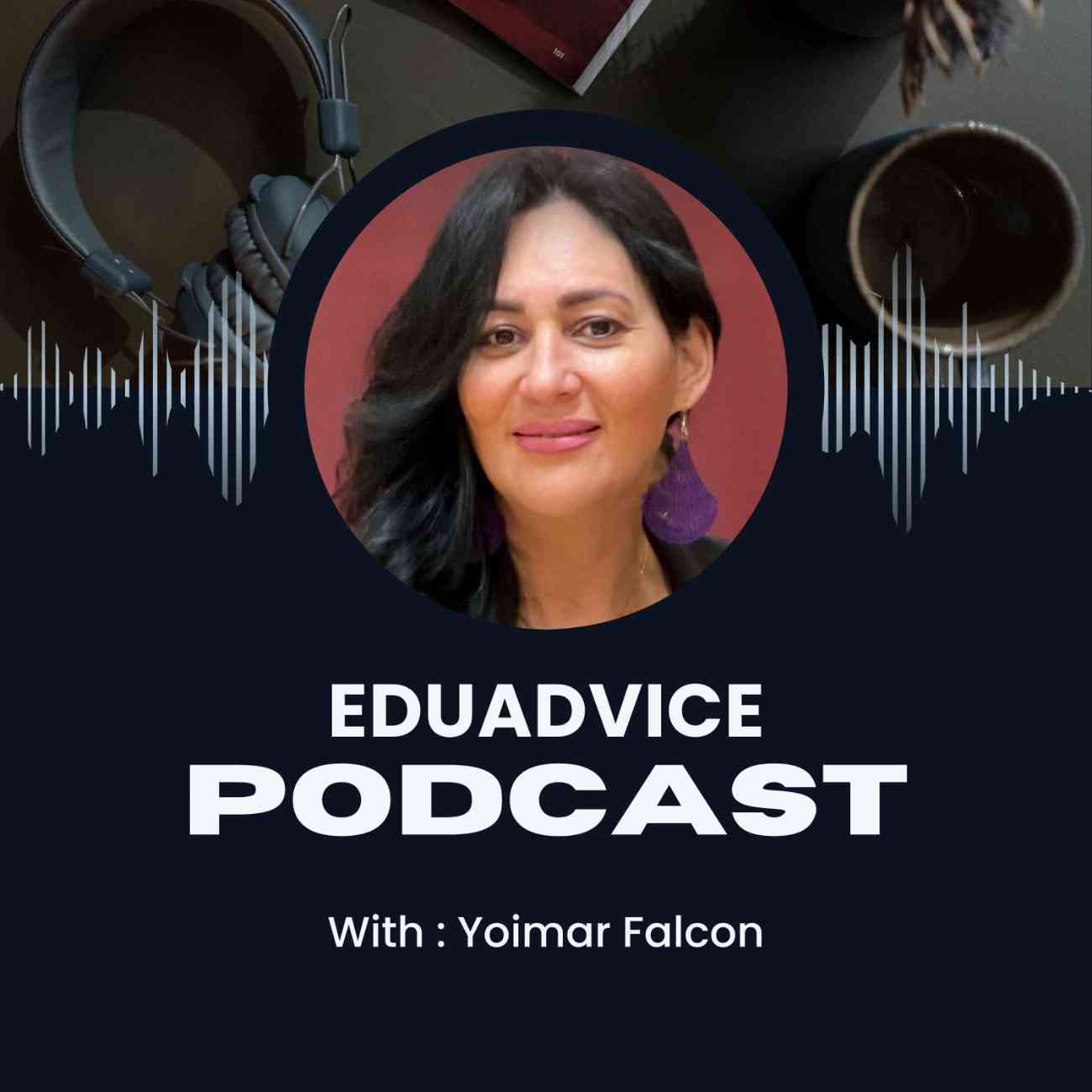
What Does the Future of Education Look Like? Questions and Answers with Educator Yoimar Falcon
The complete EduAdvice Podcast featuring international educator Yoimar Falcon can be watched through the YouTube video embedded below.
Q. Who is Yoimar Falcon?
Yoimar Falcon: I am an international educator with more than 25 years of teaching experience in multilingual and diverse classrooms. My work focuses on student engagement, critical thinking, and collaborative learning.
Q. What is the biggest change you have observed in student learning?
Yoimar Falcon: Students today respond more to visual and collaborative learning experiences. They engage better when lessons connect with technology, discussion, and real life situations.
Q. What are the biggest gaps in today's education system?
Yoimar Falcon: Many systems remain heavily focused on testing. There needs to be greater emphasis on critical thinking, practical application, and real world understanding.
Q. Why should education move beyond memorization?
Yoimar Falcon: Students should learn how to apply knowledge, solve problems, and think independently rather than simply remembering information for examinations.
Q. How can education policies better support students?
Yoimar Falcon: Greater curriculum flexibility, stronger teacher support, and more opportunities to develop practical life skills would help students succeed.
Q. Are schools adequately preparing students for the real world?
Yoimar Falcon: Progress has been made, but important skills such as communication, collaboration, adaptability, and problem solving still need greater attention.
Q. How is the role of teachers changing?
Yoimar Falcon: Teachers are becoming facilitators of learning. Our role is to guide students, encourage independent thinking, and help them develop confidence in their own ideas.
Q. What skills should students focus on developing today?
Yoimar Falcon: Critical thinking, communication, adaptability, collaboration, and cultural awareness are essential skills for future success.
Q. Do education systems still follow a one size fits all model?
Yoimar Falcon: In many cases they do. While awareness of different learning styles has increased, personalized learning is not always consistently implemented.
Q. Can artificial intelligence improve learning?
Yoimar Falcon: AI can support learning and personalize certain educational experiences, but it should not replace effective teaching or independent thinking.
Q. What are the risks of excessive AI use among students?
Yoimar Falcon: Overreliance on AI may weaken research habits, creativity, and critical thinking. Students must continue developing their own analytical abilities.
Q. What is your view on mobile phone restrictions in schools?
Yoimar Falcon: Reducing phone use in classrooms can improve concentration, participation, and student engagement by limiting distractions.
Q. How can schools better support student mental well being?
Yoimar Falcon: Schools should connect learning to real life experiences while strengthening counseling services and student support programs.
Q. If you could change one aspect of education, what would it be?
Yoimar Falcon: I would redesign curriculum to include more multicultural learning and real world applications so students are better prepared for life beyond the classroom.
Q. What is your key message for educators and policymakers?
Yoimar Falcon: Education should prepare students for life, not just examinations. Learning must be practical, inclusive, adaptable, and relevant to the world students will enter after graduation.
Click Here for More Podcasts