
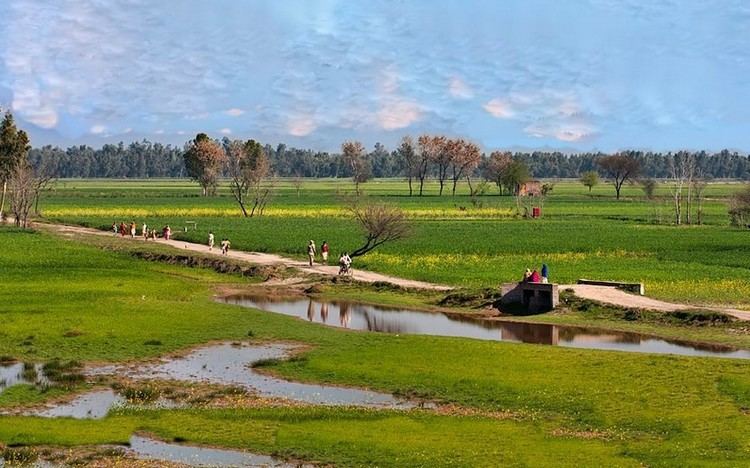
The recent Punjab School Education Board Class 10 results have stimulated conversations across the state after rural students outperformed their urban counterparts, even as the overall pass percentage witnessed a slight decline compared to previous years.
While cities traditionally dominate discussions around academic performance, this year’s results painted a different picture. Students enrolled in rural schools registered stronger performances in more than several districts, reflecting how educational progress is expanding far beyond major urban centers.
According to the declared results, the overall pass percentage dipped marginally, but the performance of students from villages and smaller towns stood out as one of the biggest highlights of the examination season.Education officials and teachers believe this shift points toward improving academic awareness and support systems in rural Punjab.
While students have become more focused and competitive in the last few years, teachers from government schools in rural areas mentioned that increased access to digital learning resources, scholarship awareness and stronger parental involvement are some of the reasons behind the improving results.Many educators also pointed toward the efforts of teachers working in remote regions, where classroom engagement and regular mentoring have played an important role in student preparation. In several schools, teachers reportedly conducted additional revision sessions and personal guidance classes ahead of the examinations.At the same time, the slight decline in the overall pass percentage has raised questions about changing exam patterns and academic pressure. Some education experts feel the results indicate a return to stricter evaluation standards after periods where pass percentages remained exceptionally high.But in many schools the atmosphere was one of celebration. It was especially true in rural districts where students who achieved strong marks became a source of collective pride for local communities. Families, teachers and school administrations came together to congratulate students who had done well, with many first generation learners among the successful candidates.
Girls beat boys in many categories once again this year and the trend has been positive for many years now. Teachers feel the results are indicative of the rising educational ambition of female students in rural and urban Punjab.The results underline how the academic landscape in Punjab is gradually shifting.Success is no longer concentrated only in large private schools or urban institutions. Students from smaller towns and village schools are increasingly proving that access to quality guidance and determination can narrow long standing educational gaps.For many rural students, these board results represent more than marks on a scorecard. They are often viewed as the first major step toward careers in medicine, engineering, civil services, teaching, and other professional fields that once felt distant for families living in remote areas.As schools begin the new academic session, the conversation around this year’s results is likely to continue, especially around how rural education in Punjab is steadily gaining momentum and confidence.
Click Here for More Exams / Admission