
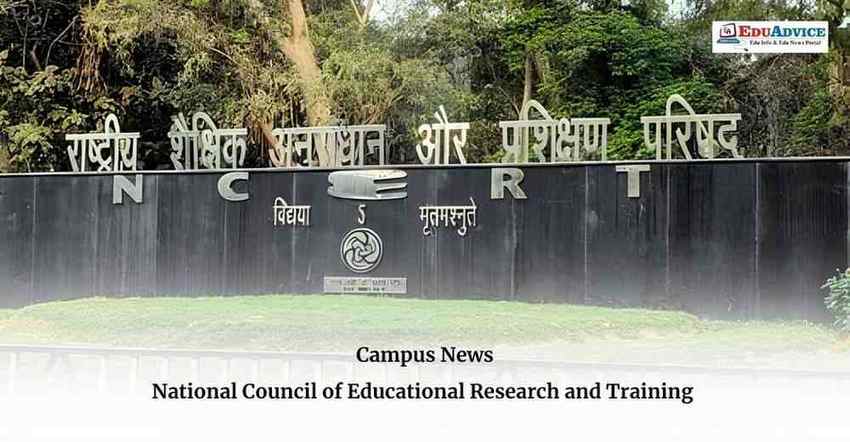
NIEPA PDEPA Participants Visit CIET-NCERT to Understand India’s Digital Education Initiatives
New Delhi: Participants of the professional-development in educational planning and administration (PDEPA) programme, organized by the National Institute of Educational Planning and Administration (NIEPA), New Delhi, recently visited the Central Institute of Educational Technology (CIET), NCERT, for an exposure visit.
The visit aimed to understand how technology, digital, and data resources are being leveraged to aid instruction, teachers, accessibility, and learning in India. The participants were also exposed to several initiatives being taken by the Ministry of Education (MoE), Government of India. NIEPA’s School of Training and Development in Education specializes in professional-development programs for educational administrators and personnel.
PDEPA Participants Understand Various Digital Education Initiatives at CIET-NCERT
The exposure visit provided an insight into several digital education initiatives and technology-enabled resources. However, the visit remained limited to introducing the initiatives; the participants experienced several of them at first hand to understand how various technological resources could be leveraged to support different stages in the education ecosystem.
Some of the major digital initiatives showcased at CIET-NCERT include PM eVIDYA, DIKSHA, NISHTHA, Kitab Ek Padhe Anek, PRASHAST, eJaadui Pitara, and Rashtriya Vidya Samiksha Kendra (RVSK). Each of the aforementioned digital education initiatives contributes towards building India’s digital education ecosystem, ranging from content, teacher training, accessibility, foundational literacy and numeracy, and data.
PM eVIDYA and DIKSHA Enable Easy Access to Digital Content
The participants were exposed to the PM eVIDYA content delivery system, which provides access to educational TV channels, video content, and podcasts. Furthermore, the participants were also introduced to DIKSHA, or One Nation, One Digital Platform, which constitutes an important part of India’s digital education infrastructure.
Various modes of content delivery, as showcased under PM eVIDYA, will be critical for students, given that not all learners have access to a seamless classroom experience. The exposure to multiple modes of content delivery via digital resources complements the conventional classroom education. Such an approach, which relies on digital and broadcast resources alongside classroom resources, has been recommended in several studies on education and technology.
NISHTHA and ‘Kitab Ek Padhe Anek’ Focus on Teacher Training and Inclusive Education
Another major highlight of the exposure visit was the introduction to NISHTHA, an integrated teacher-training program, and Kitab Ek Padhe Anek, a resource initiative with an emphasis on inclusive education. The latter initiative has been closely linked with universal design for learning, as mentioned in several government reports.
Furthermore, the participants also learned about PRASHAST, an app for the early screening of disabilities in schools. The inclusion of an initiative like PRASHAST highlights a paradigm shift in education planning in India, as recognizing special education needs at an early stage can enable better learning outcomes.
E-Jaadui Pitara and RVSK Demonstrated at CIET-NCERT Exposure Visit
Another major attraction of the exposure visit was eJaadui Pitara, a mobile app for foundational learning. In addition to being part of the Jaadui Pitara suite of learning initiatives for young learners, e-Jaadui Pitara has been noted for offering interactive multilingual content and thousands of digital resources.
One of the most critical aspects of the exposure visit was a demonstration of the Rashtriya Vidya Samiksha Kendra (RVSK), or the national data center for education. Such an initiative can help education planners, administrators, and policymakers make informed choices based on the educational data generated in the country.
Exposure to Multiple Facilities at CIET-NCERT
Apart from being exposed to various digital education initiatives, the PDEPA participants also visited several facilities at CIET-NCERT. Some of the major facilities that the participants saw at CIET-NCERT include:
- Experiential Learning Centre
- Audio-Video Studios
- Live Studio
- Google Experiential Learning Lab
- Robotics Lab
- HP-VR Lab
The aforementioned facilities enable the use of cutting-edge technology, audio-visual content creation, immersive experiences, and experiential learning in the education ecosystem.
The exposure visit to CIET-NCERT has been a significant one for the participants of the PDEPA program, given that they have seen firsthand how technology, multimedia resources, and experiential learning are being used in contemporary education. Other exposure visits to CIET-NCERT have included similar showcases of PM eVIDYA, DIKSHA, NISHTHA, PRASHAST, eJaadui Pitara, RVSK, and a visit to the experiential learning and technology labs at CIET-NCERT.
Importance of the Exposure Visit to Educational Administrators
The significance of the exposure visit witnessed by the PDEPA participants goes beyond the mere exposure to digital education initiatives and technology-enabled resources. Education planning now increasingly involves making choices about education-technology integration, teacher training, accessibility, content, and data. Witnessing first-hand how educational planning is being done in India today can help these administrators understand the decision-making process behind various education initiatives better.
Furthermore, such exposure visits also highlight the fact that digitization of education extends beyond merely placing books and lectures online and requires a multi-faceted approach involving television, mobile applications, training, accessibility measures, experiential resources, and data analytics. For children, especially those with diverse needs and abilities, such a comprehensive approach can help in making the education system more inclusive and equitable.
Frequently Asked Questions
1. Why did NIEPA’s PDEPA participants visit CIET-NCERT?
The exposure visit to CIET-NCERT enabled the participants of the professional-development program PDEPA to understand how technology and digital resources are being leveraged in India’s education sector. The visit also introduced them to various digital education initiatives and technological facilities at CIET-NCERT.
2. What does PDEPA stand for?
PDEPA stands for Professional Development in Educational Planning and Administration. This professional-development program is organized by the National Institute of Educational Planning and Administration (NIEPA), New Delhi.
3. What is CIET-NCERT?
CIET stands for Central Institute of Educational Technology. This institute works closely with NCERT to promote the use of educational technology, including digital, TV, radio, and cyber resources, for achieving India’s educational goals.
4. Which digital education initiatives were showcased during the CIET-NCERT visit?
The participants of the PDEPA program were introduced to various digital education initiatives at CIET-NCERT. Some of the major digital initiatives showcased during the exposure visit include PM eVIDYA, DIKSHA, NISHTHA, Kitab Ek Padhe Anek, PRASHAST, eJaadui Pitara, and Rashtriya Vidya Samiksha Kendra (RVSK).
5. What is PM eVIDYA?
PM eVIDYA is a flagship program of the Ministry of Education that aims to provide school education through various technological resources. The content delivery system of this program offers access to educational TV channels, video content, and podcasts, among others.
6. What is DIKSHA?
DIKSHA stands for Digital Infrastructure for Knowledge Sharing and is a digital platform for school education. This national digital platform focuses on providing curriculum-based educational resources for school education, including teacher professional development.
7. What is NISHTHA?
NISHTHA is an integrated teacher-training program with an emphasis on continuous professional development. The exposure visit to CIET-NCERT introduced the PDEPA participants to this major digital education initiative of the government.
Click Here for More Latest News