
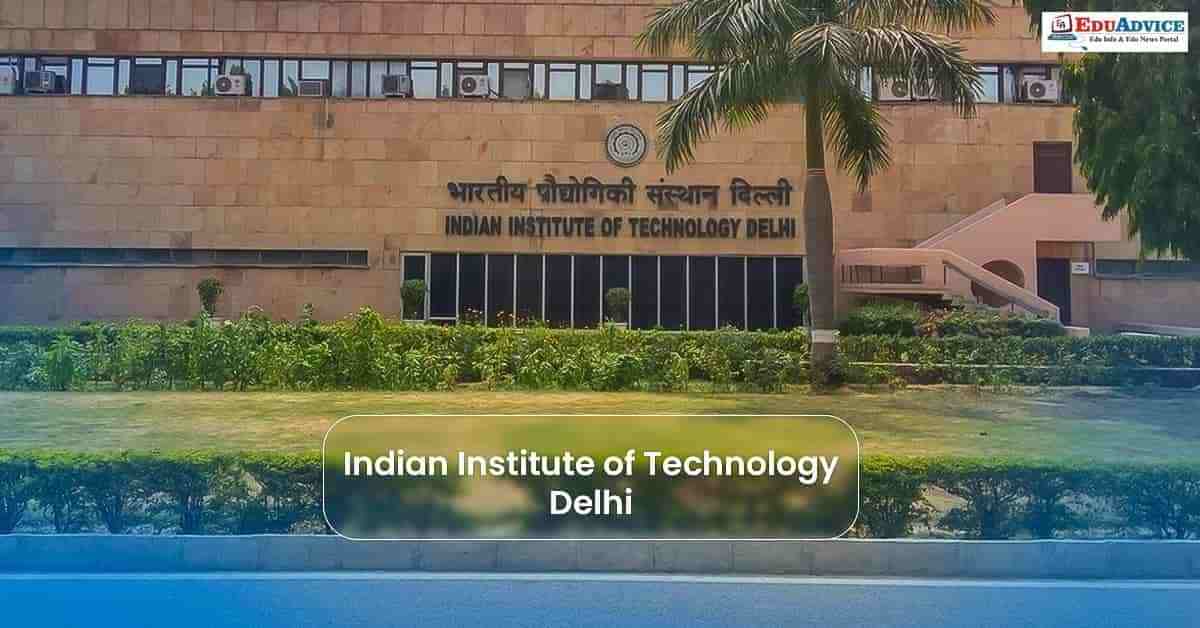
- IIT Delhi researchers have developed IPEDClim, a high-resolution dataset of 19 bioclimatic variables covering India at approximately 10 km resolution, with an open-access dashboard for researchers and the public.
New Delhi | Researchers at the Indian Institute of Technology (IIT) Delhi have released a high-resolution national dataset of 19 bioclimatic variables for India, known as the Bioclimatic Atlas of India. The dataset is available through an open-access online dashboard that allows users to explore and download climate-related information for research and planning purposes.
The initiative is expected to support studies related to ecology, agriculture, environmental science, biodiversity conservation, water resources and climate impact assessment across India.
The research was funded by the National Mission for Clean Ganga (NMCG) under the Ministry of Jal Shakti.
What is the Bioclimatic Atlas of India?
The Bioclimatic Atlas of India provides 19 bioclimatic variables derived from rainfall and temperature records. These variables help translate climate data into indicators that are relevant to ecosystems, plants, animals, agriculture and water systems.
The dataset includes climate indicators such as annual mean temperature, differences between day and night temperatures, rainfall patterns during wettest and driest periods, and seasonal variation in precipitation.
Bioclimatic variables are widely used in scientific research to understand how climatic conditions influence living systems and geographical distributions.
IPEDClim Dataset Covers India at Approximately 10 km Resolution
The dataset, titled “IPEDClim: A High-Resolution Dataset of Bioclimatic Variables for Ecohydrological Applications in India,” has been published in the journal Environmental Research: Climate.
The research is based on observation-driven rainfall and temperature datasets for India and provides coverage across the country at approximately 10 km spatial resolution.
According to the researchers, the dataset offers a more detailed representation of India's diverse climatic and geographical conditions, which may be particularly useful in regions with significant variations in climate and terrain.
Researchers working on Indian climate studies have traditionally relied on global datasets such as MERRAclim and WorldClim. The IIT Delhi study aims to provide a dataset that makes greater use of India-focused observational climate information and captures regional climatic variations in greater detail.
How the 19 Bioclimatic Variables Can Be Used
The Bioclimatic Atlas is expected to help researchers and policymakers across several scientific and applied fields.
-
Ecological modelling: Researchers can use bioclimatic variables to estimate habitat suitability and understand the environmental conditions under which species may survive.
-
Biodiversity conservation: Climate-based information may help assess changing habitat conditions and support conservation planning.
-
Agricultural planning: The dataset may help agronomists evaluate crop suitability and understand climate-related agricultural conditions.
-
Water resource management: Climate information can support studies of agricultural water availability, groundwater recharge and water resource planning.
-
River basin studies: Researchers can examine how climate patterns influence seasonal river flows and basin-level environmental conditions.
-
Climate impact assessment: The dataset can support research into climate variability and its implications for ecosystems and environmental systems.
Open-Access Dashboard to Explore and Download Climate Data
The researchers have made the dataset accessible through a web-based dashboard hosted on Google Earth Engine. The platform allows users to visualise and explore the IPEDClim dataset.
Explore the Bioclimatic Atlas of India:
Open the IPEDClim Bioclimatic Atlas Dashboard
The dashboard is intended to facilitate the dissemination and use of the dataset among researchers, environmental professionals, students and other interested users.
IIT Delhi Research Team
The study was conducted by researchers from the Civil Engineering Department of IIT Delhi under the aegis of the Center of Excellence on Water, funded by the National Mission for Clean Ganga.
The research team includes:
-
Ms. Aditi Prasad, B.Tech. student
-
Dr. Anagha Peringiyil
-
Dr. Ishita Afreen Ahmed
-
Prof. Manabendra Saharia
Prof. Manabendra Saharia from the Civil Engineering Department, IIT Delhi, led the study.
Prof. Manabendra Saharia on the Significance of the Dataset
Prof. Manabendra Saharia said the dataset provides a foundation for ecological modelling, biodiversity conservation, agricultural planning and climate impact assessments in India.
He highlighted that the integration of high-resolution, observation-based climate ensembles enables more detailed climate characterisation and could support evidence-based decisions in ecosystem management, water resource planning and disaster risk reduction.
National Mission for Clean Ganga Highlights Potential for River Basin Research
Shri Rajeev Kumar Mital, Director General of the National Mission for Clean Ganga, highlighted the potential relevance of the Bioclimatic Atlas for ecological and hydrological research connected with river basin management.
He noted that river cleaning and rejuvenation efforts also require an understanding of how climate conditions within river basins are changing, and expressed the potential usefulness of the atlas in studies that could contribute to climate-resilient river basins.
Research Publication Details
|
Particular |
Details |
|---|---|
|
Research title |
IPEDClim: A High-Resolution Dataset of Bioclimatic Variables for Ecohydrological Applications in India |
|
Institution |
IIT Delhi |
|
Department |
Civil Engineering |
|
Lead researcher |
Prof. Manabendra Saharia |
|
Research team |
Aditi Prasad, Dr. Anagha Peringiyil, Dr. Ishita Afreen Ahmed and Prof. Manabendra Saharia |
|
Funding |
National Mission for Clean Ganga (NMCG), Ministry of Jal Shakti |
|
Journal |
Environmental Research: Climate |
|
Spatial resolution |
Approximately 10 km |
|
Variables |
19 bioclimatic variables |
|
Dataset |
IPEDClim |
|
Dashboard |
|
|
Research paper |
Frequently Asked Questions (FAQs)
1. What is the Bioclimatic Atlas of India developed by IIT Delhi?
The Bioclimatic Atlas of India is a dataset containing 19 bioclimatic variables designed to support climate-related ecological, agricultural, environmental and hydrological research across India.
2. What is IPEDClim?
IPEDClim is the high-resolution bioclimatic dataset developed by IIT Delhi researchers, providing climate-related variables based on observation-driven rainfall and temperature datasets.
3. How many bioclimatic variables are included in the dataset?
The dataset includes 19 bioclimatic variables derived from temperature and precipitation information.
4. What is the spatial resolution of the IPEDClim dataset?
The dataset covers India at approximately 10 km resolution.
5. Where can users access the Bioclimatic Atlas of India?
Users can explore the dataset through the open-access Google Earth Engine dashboard: https://hydrosense.users.earthengine.app/view/bioclim-atlas-india
6. Who funded the research?
The research was funded by the National Mission for Clean Ganga (NMCG), under the Ministry of Jal Shakti.
7. Who led the IIT Delhi research?
The study was led by Prof. Manabendra Saharia from the Civil Engineering Department of IIT Delhi.
8. How can the dataset help agricultural research?
The dataset may help researchers assess climatic conditions relevant to crop suitability, agricultural water availability and climate-related agricultural planning.
9. How can the Bioclimatic Atlas help river basin research?
The dataset may support research into how climatic conditions influence seasonal river flows, groundwater recharge and ecological conditions within river basins.
10. Where has the research been published?
The research has been published in Environmental Research: Climate under the title “IPEDClim: A High-Resolution Dataset of Bioclimatic Variables for Ecohydrological Applications in India.”
Click Here for More Latest News