
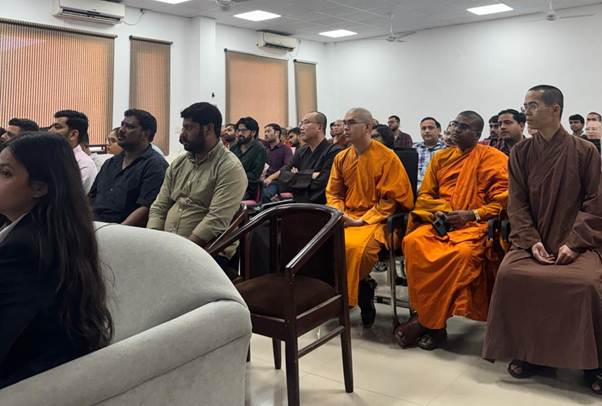
NEW DELHI: In a major step towards preserving India’s linguistic heritage through technology, the Ministry of Electronics and Information Technology India organised a BHASHINI Sanchalan/Seva Workshop on the Pali language at the University of Delhi. The initiative, led by the Digital India BHASHINI Division, aims to strengthen the ecosystem for AI-driven development of minority and heritage languages.
The workshop focused on the Pali language, an ancient Indo-Aryan language that forms the foundation of early Buddhist texts and philosophical traditions. As a low-resource language in AI, Pali requires structured efforts such as digitisation, dataset creation, and validation to enable its integration into modern digital systems. The collaboration with academic institutions ensured both linguistic accuracy and cultural authenticity in the process.
During the sessions, experts highlighted the importance of community participation and academic involvement in building high-quality language datasets. The programme also introduced participants to platforms like BhashaDaan, which allows contributors to support language preservation by sharing text, audio, and other linguistic resources. A key highlight of the workshop was the live demonstration of BHASHINI’s AI tools, including translation technologies for text, speech, documents, and video. These tools showcased how AI can enable real-time multilingual communication, making knowledge systems more accessible across languages and regions.
Experts believe that such initiatives are crucial for students and researchers, as they open up opportunities in AI, linguistics, and digital humanities. By combining technology with cultural preservation, the programme aims to create a more inclusive and multilingual digital ecosystem, ensuring that even lesser-known languages remain relevant in the digital age.
Click Here for More Latest News