
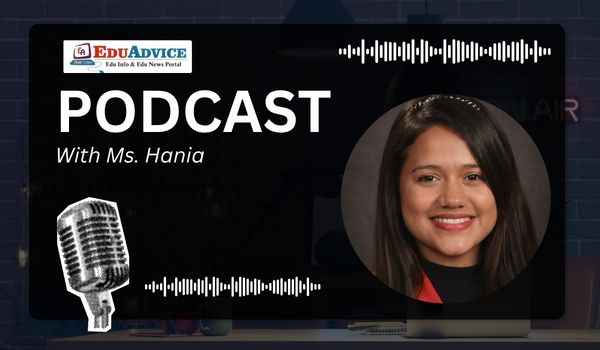
Q1. How has teaching in the United States and Colombia shaped your approach to education?
Answer: Teaching in both countries has made me more flexible and understanding of students' different cultures, experiences and learning needs. I have learned that teaching methods must adapt to individual learners. Building strong teacher-student relationships is essential to creating a safe and supportive classroom.
Q2. What strategies help bilingual students learn effectively?
Answer: I use sentence starters, pictures, gestures and clear examples to help students understand lessons and express their ideas. I also encourage peer learning by pairing students with classmates who can support their language development. Creating a comfortable classroom environment helps students participate without fear of making mistakes.
Q3. How can teachers create an inclusive classroom for students with different learning needs?
Answer: An inclusive classroom provides different ways for students to learn and participate, including listening, speaking, drawing, writing and using hands-on materials. Teachers should maintain clear learning goals while adjusting support according to individual needs. Encouraging students to respect and help one another is equally important.
Q4. What practical steps can teachers take to improve student engagement?
Answer: Teachers can improve engagement by giving students an active role in learning, offering choices and connecting lessons to their interests and experiences. Activities such as partner discussions, collaborative reading and opportunities to explain ideas encourage participation, critical thinking and better understanding.
Q5. What is the biggest challenge faced by students learning English as an additional language?
Answer: One major challenge is helping students communicate what they know while they are still learning English. Teachers can support them through sentence starters, structured speaking practice, peer discussions and connections to their home languages. The goal is to build confidence and ensure students feel valued regardless of their English proficiency.
Q6. What advice would you give teachers who want to make a lasting impact on students?
Answer: Teachers should build strong relationships, maintain high expectations for every student and understand individual learning needs. Monitoring progress, providing support when students struggle and reflecting on teaching practices can improve learning outcomes. Listening, encouragement and consistent effort can help students develop confidence in their abilities.
Q7. What do you find most rewarding about being a bilingual educator?
Answer: The most rewarding part is seeing students grow in confidence. Watching children who were initially hesitant to speak gradually begin sharing ideas and participating in class is especially meaningful. I also want students to take pride in their languages and cultures and recognise that their voices matter.
Click Here for More Podcasts