
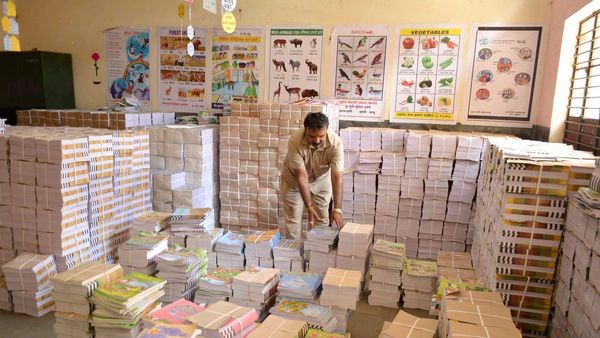
Sikkim : A recent report highlighting the shortage of NCERT textbooks in Sikkim has brought renewed attention to the role of India’s central educational bodies. At a time when the National Council of Educational Research and Training is expanding its institutional footprint, the inability to ensure timely textbook delivery raises an important question. Can a body tasked with setting standards effectively manage its growing influence?
The situation in Sikkim, where classrooms are functioning without essential NCERT textbooks, signals more than a logistical lapse. Textbooks form the backbone of structured learning in India’s school system. When these materials are unavailable, the teaching learning process is disrupted. This becomes more significant in the context of NCERT’s evolving role. Historically, it has served as a standard setting authority, designing curricula and maintaining quality across schools. However, as its responsibilities grow, issues such as supply shortages expose the challenges of centralization. In recent years, NCERT has undergone a structural shift, including being granted deemed to be university status. This allows it to design academic programs, train teachers, and influence pedagogy at a deeper level. While this expansion aims to strengthen education, it also increases the burden of execution.
The textbook shortage in Sikkim highlights a key concern. When a centralized body takes on multiple roles as regulator, content creator, and educator, inefficiencies can grow. The question is not just about policy but about delivery on the ground. A major argument in favor of NCERT’s expanded role is uniformity. A centralized curriculum can standardize education quality across states, benefiting regions where teaching standards may lag. In theory, this ensures equal access to academic content.
However, the Sikkim case shows the downside. Centralization can create overdependence on a single system where delays affect entire regions. Distribution challenges, especially in remote areas, often require localized solutions that a centralized structure may struggle to provide. For teachers, the absence of textbooks means constant improvisation. Lesson plans must be adjusted and reliance shifts to alternative materials, which may not always be accessible. For students, especially in under resourced areas, this creates gaps in learning. The larger concern is equity. If a centralized system cannot ensure access to basic resources, the goal of uniform education comes into question.
The absence of NCERT textbooks in Sikkim’s classrooms reflects the growing pains within India’s evolving education system. As NCERT expands its role, the focus must remain on its core responsibility of ensuring access to learning materials. The success of any reform depends not just on policy but on how effectively it reaches the classroom.
Click Here for More Latest News